Sept 21, 2015 International Day of Peace Celebration at Lyceum University Cavite, Philippines

Sept 21, 2015 International Day of Peace Celebration at Lyceum University Cavite, Philippines
Ambassador Zara Bayla Juan, Sailing for Peace #PeaceDay

Translate

Monday, June 26, 2023

#PEACEVIGIL #June30 is UN International Asteroid Day, WPI News! by Peace Ambassador Zara Jane Juan sailing for peace

Illustration of asteroid
Asteroids passing Earth.
PHOTO:ESA/Pierre Carril

Why Asteroid Day?

In December 2016 the United Nations General Assembly adopted resolution A/RES/71/90, declaring 30 June International Asteroid Day  in order to "observe each year at the international level the anniversary of the Tunguska impact over Siberia, Russian Federation, on 30 June 1908, and to raise public awareness about the asteroid impact hazard."

International Asteroid Day aims to raise public awareness about the asteroid impact hazard and to inform the public about the crisis communication actions to be taken at the global level in case of a credible near-Earth object threat.

The General Assembly’s decision was made based on a proposal by the Association of Space Explorers, which was endorsed by Committee on the Peaceful Uses of Outer Space (COPUOS).

Background

Near-Earth objects (NEOs) represent potentially catastrophic threats to our planet. NEO is an asteroid or comet, which passes close to the Earth's orbit. According to NASA’s Center for NEO Studies, there are over 16 000 Near Earth Asteroids discovered. The Tunguska asteroid event in Siberia, Russian Federation, on 30 June 1908, was the Earth's largest asteroid impact in recorded history.

On 15 February 2013, a large fireball (technically, called a "superbolide"), traveling at a velocity of 18.6 kilometers per second, entered the atmosphere and disintegrated in the skies over Chelyabinsk. According to NASA, the approximate effective diameter of the asteroid was estimated at 18 meters and its mass at 11,000 tons. The approximate total impact energy of the Chelyabinsk Fireball, in kilotons of TNT explosives (the energy parameter usually quoted for a fireball), was 440 kilotons. The Chelyabinsk event was an extraordinarily large fireball, the most energetic impact event recognized since the 1908 Tunguska blast in Russian Siberia.

The United Nations Office for Outer Space Affairs (UNOOSA)  has worked on NEOs for many years, recognising a NEO impact hazard as a global issue demanding an international response. Addressing such a hazard, including the identification of those objects that pose a threat of impact and planning a corresponding mitigation campaign, requires cooperative action in the interest of public safety on the part of the global community.

Building on recommendations for an international response to a near-Earth Object impact threat, endorsed by the Committee on the Peaceful Uses of Outer Space (COPUOS) in 2013, the International Asteroid Warning Network (IAWN) and the Space Mission Planning Advisory Group (SMPAG) were established in 2014.

The International Asteroid Warning Network (IAWN) uses well-defined communication plans and protocols to assist Governments in the analysis of possible consequences of an asteroid impact and to support the planning of mitigation responses.

The Space Mission Planning Advisory Group (SMPAG) is an inter-space agency forum that identifies technologies needed for near-Earth Object deflection, and aims to build consensus on recommendations for planetary defense measures.

ESA’s Optical Ground Station

The United Nations Office for Outer Space Affairs (UNOOSA) works to promote international cooperation in the peaceful use and exploration of space, and in the utilisation of space science and technology for sustainable economic and social development. The Office assists any United Nations Member States to establish legal and regulatory frameworks to govern space activities and strengthens the capacity of developing countries to use space science technology and applications for development by helping to integrate space capabilities into national development programmes.

 

China Space Station

The United Nations Office for Outer Space Affairs (UNOOSA) in cooperation with the China Manned Space Agency (CMSA) launched the programme, which capitalizes on the technological and innovative skills of the Government of China to benefit Member States of the United Nations, in particular developing countries, thereby contributing to the 17 Sustainable Development Goals (SDGs) through increasing access to space.

 

an abstract illustration of people engaged in an event

International days and weeks are occasions to educate the public on issues of concern, to mobilize political will and resources to address global problems, and to celebrate and reinforce achievements of humanity. The existence of international days predates the establishment of the United Nations, but the UN has embraced them as a powerful advocacy tool. We also mark other UN observances.

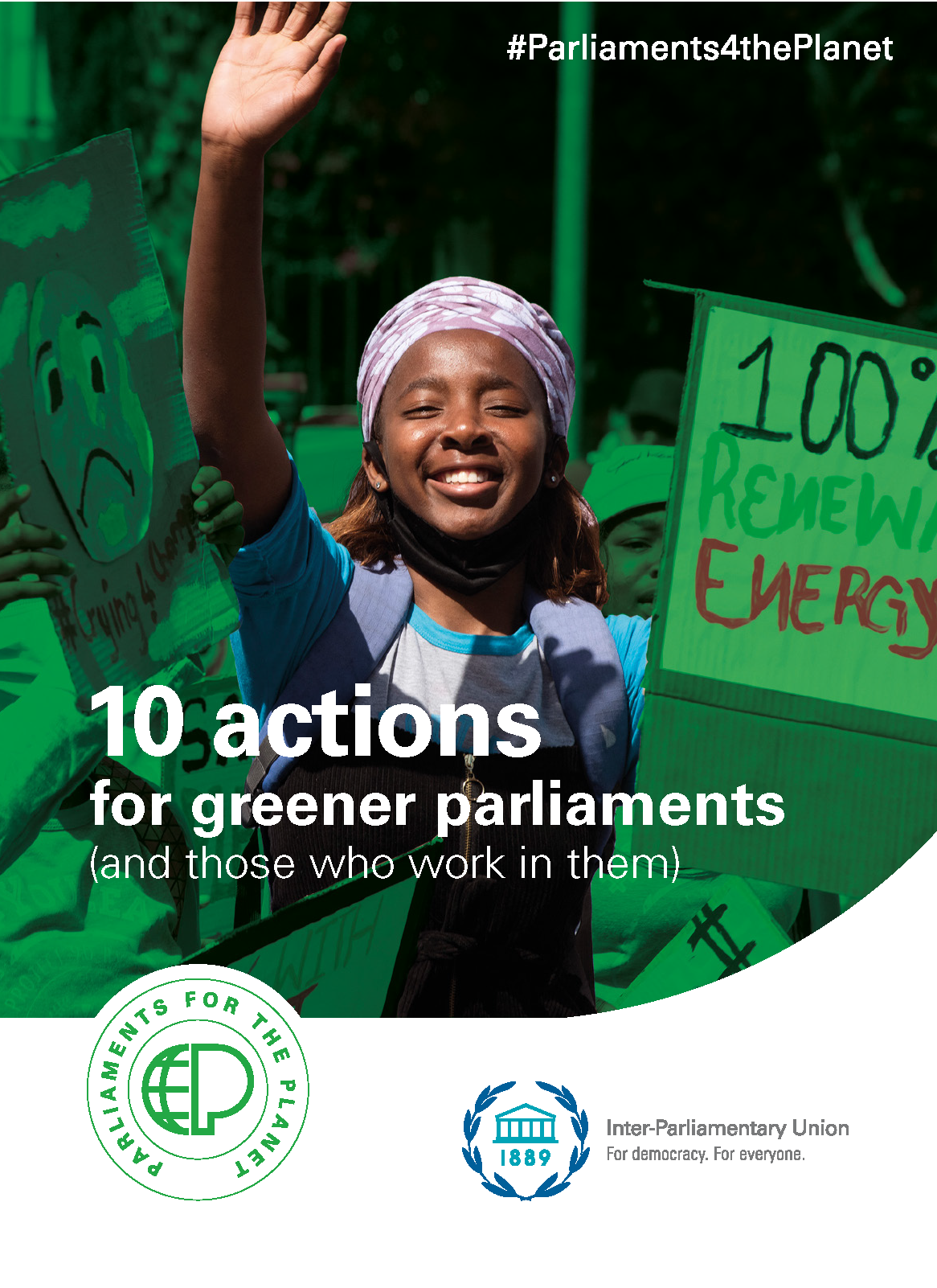
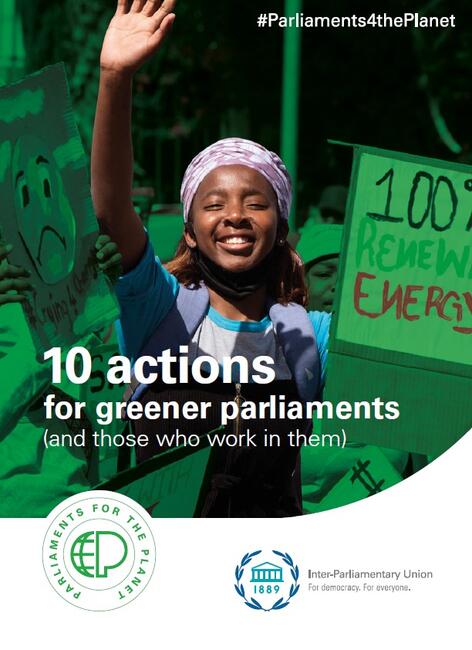
Free Download of 2023 UN Inter Parliamentary Union IPU "10 actions for greener parliaments", WPI News! by Peace Ambassador Zara Jane Juan sailing for peace

Free Download of 2023 UN Inter Parliamentary Union IPU "10 actions for greener parliaments", WPI News! by Peace Ambassador Zara Jane Juan sailing for peace

What is the Report?

10 actions for greener parliaments

Climate action begins at home. Parliaments and those who work in them can take concrete steps to reduce their carbon footprint, both as institutions and individuals. By adopting greener policies and embracing a culture of sustainability, parliaments and parliamentarians can help address the climate crisis and pave the way for stronger climate action. The IPU Secretariat has identified 10 key actions parliaments and parliamentarians can consider as they embark on the greening process, or to complement existing greening initiatives. These actions cover three categories: institutionalizing the greening of parliament, greening the way parliaments and their members work, and leading and fostering a culture of sustainable change. While a wide range of options to become greener exists and will continue to evolve with time, these 10 actions provide concrete entry points for more sustainable parliaments that lead by example when it comes to climate action.

Year of publication
Publication type
Publication PDF
Format
A5

#PEACEVIGIL #June30 is UN International Day of Parliamentarism, WPI News! by Peace Ambassador Zara Jane Juan sailing for peace

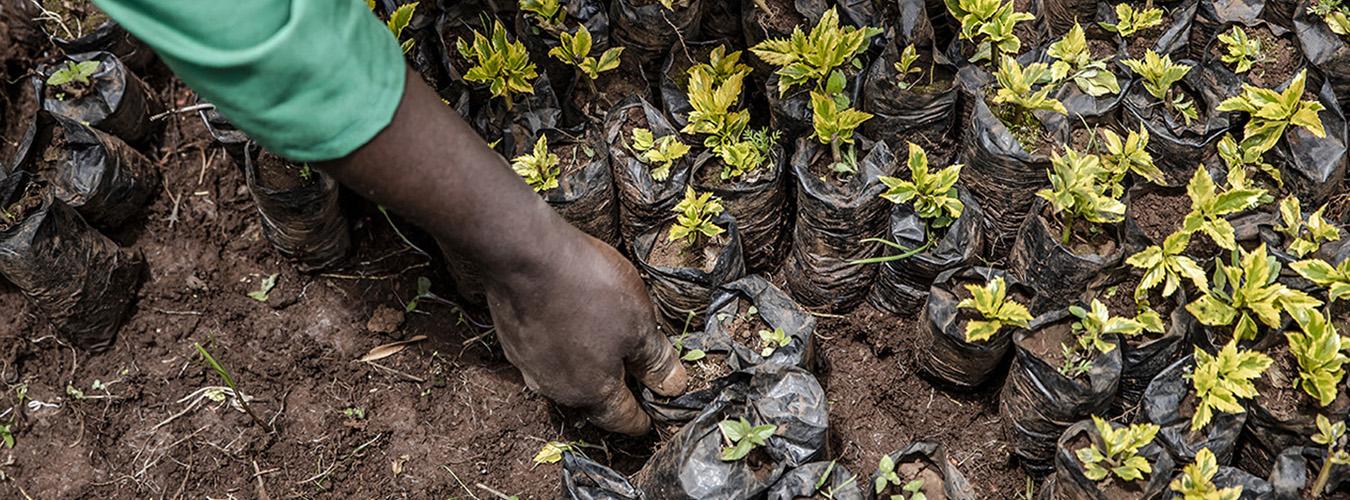
Tree sapling in a tree nursery
Removing weeds from tree saplings at a tree nursery in Kenya.
PHOTO:© FAO/Luis Tato

Parliaments for the Planet

Climate action begins at home. Parliaments and those who work in them can take concrete steps to reduce their carbon footprint, both as institutions and individuals. By adopting greener policies and embracing a culture of sustainability, parliaments and parliamentarians can help address the climate crisis and pave the way for stronger climate action.

Climate change is killing people and destroying lives, development, peace and security all over the world. The IPU helps parliaments make progress on the Paris Agreement as well as other climate treaties, accelerate decarbonization and reduce the carbon footprint within parliaments themselves through its research, tools and meetings. As a first step, they can decarbonize their place of work by putting in place the IPU’s 10 actions for greener parliaments (and those who work in them).

Global report greener parliaments

10 actions for greener parliaments

Parliaments and parliamentarians must lead by example before preaching to the people. These actions cover three categories: institutionalizing the greening of parliament, greening the way parliaments and their members work, and leading and fostering a culture of sustainable change. Climate action begins at home.

Background

The International Day of Parliamentarism is celebrated every year on 30 June, the date in 1889 on which the IPU was founded. The Day was established in 2018 through a United Nations General Assembly Resolution.

Instituting an international day for parliaments is particularly important at this critical time for parliamentary democracy, when people are losing trust in political institutions and democracy itself is facing challenges from populist and nationalist movements. If democracy is to thrive, then parliaments, as the cornerstone of functioning democracies, need to be strong, transparent, accountable and representative.

The International Day of Parliamentarism is a time to review the progress that parliaments have made in achieving some key goals to be more representative and move with the times, including carrying out self-assessments, working to include more women and young MPs, and adapting to new technologies.

The United Nations General Assembly, in its resolution A/RES/72/278, recognized the role of parliaments in national plans and strategies and in ensuring greater transparency and accountability at national and global levels.


Parliaments and parliamentary organizations played an active role throughout the negotiations on the post-2015 development framework, advocating strongly, for instance, for the inclusion of SDGs related to democratic governance. Goal 13 of the Sustainable Development Goals is dedicated to taking urgent action to combat climate change and its impacts.

For more details
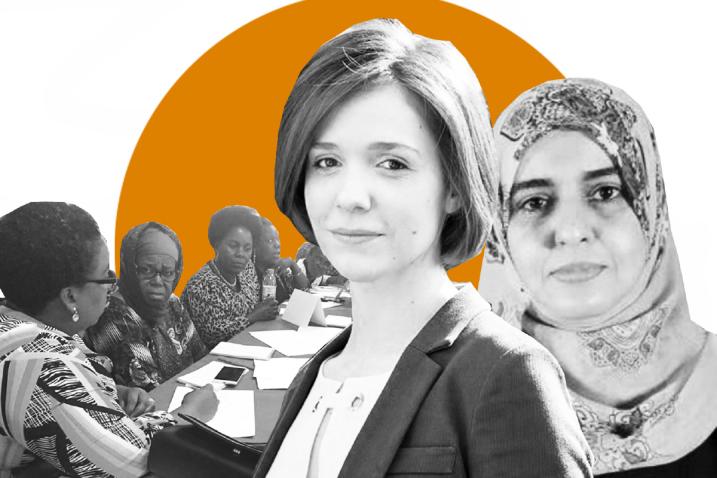
Close-up of two young girls against older women in the background

Half the world’s population is under 30 and yet only 2.6% of MPs globally represent this age group. The IPU has identified the six ways below to change this. Please take two minutes to pick one or more pledge(s) to make your parliament younger!

The international Day of Parliamentarism is also the anniversary of the Inter-Parliamentary Union. Watch 133 years of IPU's history in (just over) 133 seconds. How did the IPU grow from a handful of parliamentarians from 9 countries who met for the first time on 30 June 1889 to become the global organization of parliaments?

an abstract illustration of people engaged in an event

International days and weeks are occasions to educate the public on issues of concern, to mobilize political will and resources to address global problems, and to celebrate and reinforce achievements of humanity. The existence of international days predates the establishment of the United Nations, but the UN has embraced them as a powerful advocacy tool. We also mark other UN observances.


#PEACEVIGIL #June29 is UN International Day of the Tropics, WPI News! by Peace Ambassador Zara Jane Juan sailing for peace

The Tropics account for 40% of the world’s total surface area and are host to approximately 80% of the world’s biodiversity.
PHOTO:FAO/IPPC

The future belongs to the Tropics

The International Day of the Tropics celebrates the extraordinary diversity of the tropics while highlighting unique challenges and opportunities nations of the Tropics face. It provides an opportunity to take stock of progress across the tropics, to share tropical stories and expertise and to acknowledge the diversity and potential of the region.

The Ecosystem

The Tropics are a region of the Earth, roughly defined as the area between the tropic of Cancer and the tropic of Capricorn. Although topography and other factors contribute to climatic variation, tropical locations are typically warm and experience little seasonal change in day-to-day temperature. An important feature of the Tropics is the prevalence of rain in the moist inner regions near the equator, and that the seasonality of rainfall increases with the distance from the equator. The tropical region faces several challenges such as climate change, deforestation, logging, urbanisation and demographic changes.

The Human System

Tropical nations have made significant progress but face a variety of challenges that demand focused attention across a range of development indicators and data in order to achieve sustainable development.

  • By 2050, the region will host most of the world's people and two-thirds of its children.
  • Consistent with the higher levels of poverty, more people experience undernourishment in the Tropics than in the rest of the world.
  • The proportion of the urban population living in slum conditions is higher in the Tropics than in the rest of the World.

Background

The inaugural State of the Tropics Report was launched on 29 June 2014, as the culmination of a collaboration between twelve leading tropical research institutions. The report offers a unique perspective on this increasingly important region. Marking the anniversary of the report’s launch the United Nations General Assembly adopted resolution A/RES/70/267 in 2016, which declared that 29 June of each year is to be observed as the International Day of the Tropics.

The International Day of the Tropics was designated to raise awareness to the specific challenges faced by tropical areas, the far-reaching implications of the issues affecting the world’s tropical zone and the need, at all levels, to raise awareness and to underline the important role that countries in the tropics will play in achieving the Sustainable Development Goals.

Did you know?

  • The Tropics host nearly 95% of the world’s mangrove forests by area and 99% of mangrove species. 
  • The Tropics have just over half of the world’s renewable water resources (54%), yet almost half their population is considered vulnerable to water stress.
  • Biodiversity is greater in the Tropics – however, loss of biodiversity is also greater in the Tropics than in the rest of the world.

Source: State of The Tropics 2021

Follow

Twitter logo

Follow on Twitter at
#WeAreTheTropics and #TropicsDay

 
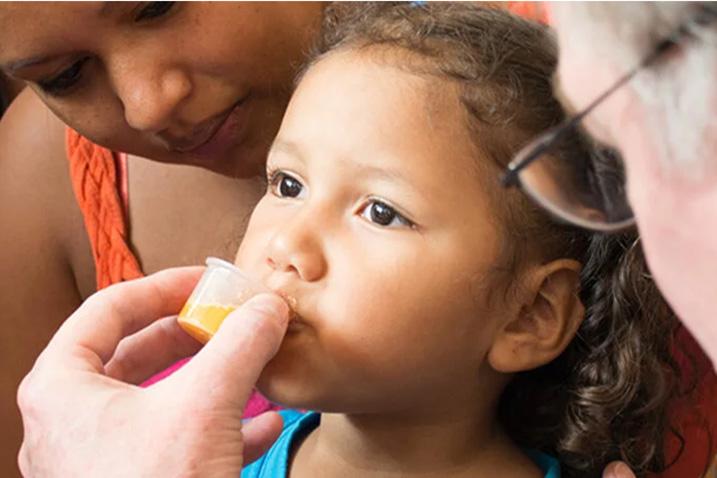
a girl taking medicine

Neglected tropical diseases (NTDs) are a diverse group of 20 conditions that are mainly prevalent in tropical areas, where they mostly affect impoverished communities and disproportionately affect women and children. These diseases cause devastating health, social and economic consequences to more than one billion people. Get to know the WHO’s plan to end this preventable burden by 2030.

women in the Amazon

Protecting the forests of the Colombian Amazon, while improving the living conditions of the communities that inhabit them, is the mission of the Guardians of the Amazon. Specifically devoted to empowering indigenous women to not only participate in – but become leaders of – conservation and governance in their collective territories, Guardians of the Amazon are supported by the Global Environment Facility’s Small Grants Programme.

an abstract illustration of people engaged in an event

International days and weeks are occasions to educate the public on issues of concern, to mobilize political will and resources to address global problems, and to celebrate and reinforce achievements of humanity. The existence of international days predates the establishment of the United Nations, but the UN has embraced them as a powerful advocacy tool. We also mark other UN observances.

Sunday, June 25, 2023

#PEACEVIGIL #June27 is Micro-, Small and Medium-sized Enterprises Day, WPI News by Peace Ambassador Zara Jane Juan sailing for peace

Women at a sewing shop measure fabric.
In Uzbekistan, MSMEs play an outsized role in the country’s economy - according to official data, they are the biggest source of employment, providing a full 78% of jobs.
PHOTO:UNDP Uzbekistan

Galvanizing MSMEs worldwide by supporting women and youth entrepreneurship and resilient supply chains

Multiple simultaneous shocks and crises have disturbed the global working environment for entrepreneurs and micro-, small and medium-sized enterprises (MSMEs). In addition, conflicts, commodity dependence, geopolitical tensions, and pandemics drive social and economic instability, making MSMEs extremely vulnerable to rising inflation and supply chain disruptions.

Among the most vulnerable, women- and youth-owned enterprises are often at risk of external shocks. This is when the percentage and overall number of business formations by women and youth are increasing worldwide. However, facing limited access to affordable finance, capacity-building support, partnership networks, and global markets, women and young entrepreneurs need help to overcome the numerous challenges that frequently stifle the growth of their businesses, confining many of them to informality or necessity entrepreneurship.

Policies that strengthen capacities and support MSMEs development and entrepreneurship for women and youth need to be at the forefront to address those challenges, lower and remove barriers, and provide an operating environment for women- and youth-owned businesses to grow, thus contributing to the full achievement of SDGs 1, 4, 5, 8, 9, 10 and the “leave no one behind” promise of the 2030 Agenda for Sustainable Development and its Sustainable Development Goals.

This MSMEs day will also focus on supporting resilient supply chains to ensure workers and the environment benefit. Supply chains are a critical component of global trade and commerce, and conflicts, disasters, and pandemics can quickly impact their functioning, increasing costs and making transactions more difficult. Therefore, policymakers and businesses must join forces to ensure economically viable, socially, and environmentally sustainable supply chains.

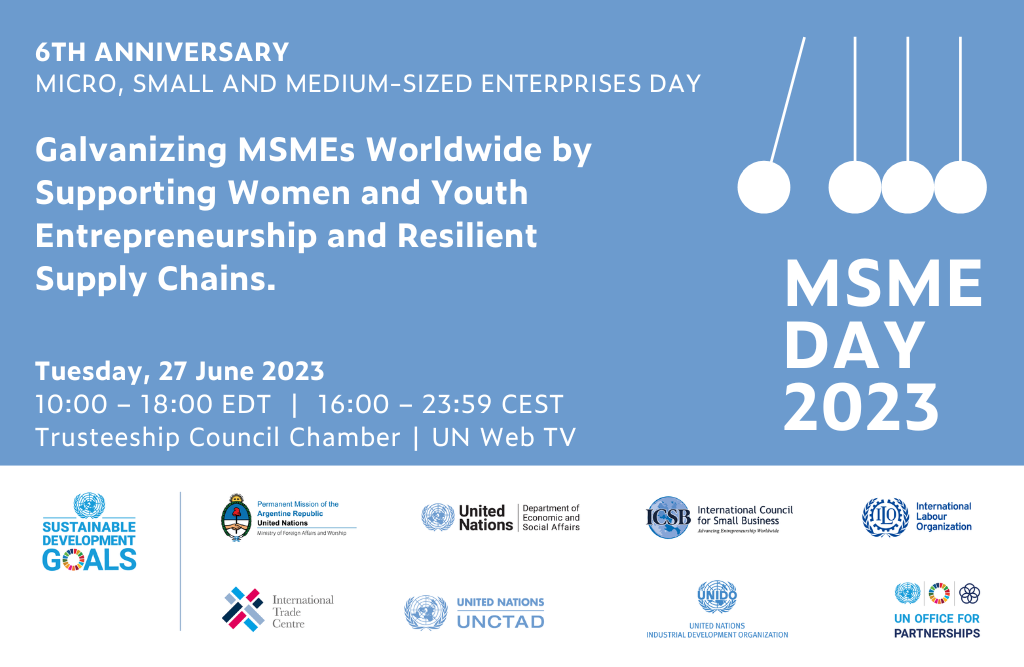
Invitation for MSMEs 2023 Day event at UNHQ in New York

2023 Event

27 June 2023
UNHQ, New York
9:30 AM - 5:30 PM EST

Join us for MSME Day 2023, a dynamic event dedicated to celebrating the crucial role of Micro-, Small and Medium-Sized Enterprises (MSMEs) in achieving the 2030 Agenda for Sustainable Development.
 

Follow the livestream on UN Web TV:
Part I | Part II


Background

MSMEs account for 90% of businesses, 60 to 70% of employment and 50% of GDP worldwide. As the backbone of societies everywhere they contribute to local and national economies and to sustaining livelihoods, in particular among the working poor, women, youth, and groups in vulnerable situations.

MSMEs hold the potential to transform economies, foster job creation, and promote equitable economic growth if given adequate support. The MSME Day event aims to highlight their pivotal role and explore opportunities for their further advancement.

The United Nations General Assembly designated 27 June as “Micro-, Small, and Medium-sized Enterprises Day” (A/RES/71/279) to raise awareness of the tremendous contributions of MSMEs to the achievement of the United Nations Sustainable Development Goals (SDGs).

Did you know?

  • 600 million jobs will be needed by 2030 to absorb the growing global workforce, which makes SME development a high priority for many governments around the world.
  • In emerging markets, most formal jobs are generated by SMEs, which create 7 out of 10 jobs.
  • Access to finance is disproportionately difficult for smaller firms in the least developed countries (LDCs), with 41 percent of SMEs in LDCs reporting access to finance as a major constraint to their growth and development, by comparison to 30 percent in middle-income countries (MICs) and only 15 percent in high-income countries (HICs).

Source: World Bank

Related links

Explore

illustration of different scenes of small businesses

THE POWER OF SMALL: UNLOCKING THE POTENTIAL OF MSMEs

Explore this infostory to discover the full potential of the MSMEs in securing a better future of work of everyone.

Goal 8 logo Decent Work and Economic Growth

Micro-, small and medium sized enterprises are vital in achieving the Sustainable Development Goals. They are an important element in the implementation of SDG 8 (decent work and economic growth) and SDG 9 (industry, innovation and infrastructure.)

A woman holds up a blouse

From export development to sustainability or e-commerce and export processes, the International Trade Center offers a wide range of courses that can help MSMEs in their growth. Take a look at its varied catalog with training in different languages.

an abstract illustration of people engaged in an event

International days and weeks are occasions to educate the public on issues of concern, to mobilize political will and resources to address global problems, and to celebrate and reinforce achievements of humanity. The existence of international days predates the establishment of the United Nations, but the UN has embraced them as a powerful advocacy tool. We also mark other UN observances.

#PEACEVIGIL #June26 is UN International Day in Support of Victims of Torture, WPI News! by Peace Ambassador Zara Jane Juan sailing for peace

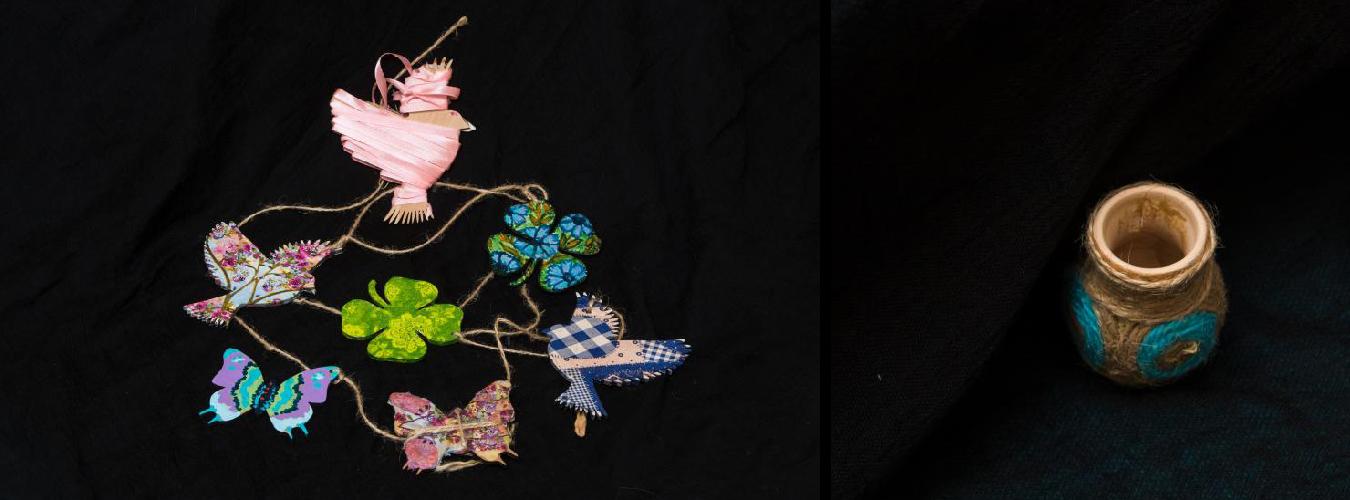
children's artwork and pot
Blue Bird, in Ukraine, conducts art therapy sessions. Left: The ‘floss of unity,’ made by children of survivors as a symbol of togetherness. Right: Into this pot, participants can place symbols of qualities that they want to see in themselves.
PHOTO:UN/Sergii Kharenko

Torturers must never be allowed to get away with their crimes, and systems that enable torture should be dismantled or transformed.

UN Secretary-General António Guterres

Torture: a crime against humanity

Torture seeks to annihilate the victim’s personality and denies the inherent dignity of the human being. Despite the absolute prohibition of torture under international law, torture persists in all regions of the world. Concerns about protecting national security and borders are increasingly used to allow torture and other forms of cruel, inhuman or degrading treatment. Its pervasive consequences often go beyond the isolated act on an individual; and can be transmitted through generations and lead to cycles of violence.

The United Nations has condemned torture from the outset as one of the vilest acts perpetrated by human beings on their fellow human beings.

Torture is a crime under international law. According to all relevant instruments, it is absolutely prohibited and cannot be justified under any circumstances. This prohibition forms part of customary international law, which means that it is binding on every member of the international community, regardless of whether a State has ratified international treaties in which torture is expressly prohibited. The systematic or widespread practice of torture constitutes a crime against humanity.

On 12 December 1997, by resolution 52/149, the UN General Assembly proclaimed 26 June the United Nations International Day in Support of Victims of Torture, with a view to the total eradication of torture and the effective functioning of the Convention against Torture and Other Cruel, Inhuman or Degrading Treatment or Punishment.

26 June is an opportunity to call on all stakeholders including UN Member States, civil society, and individuals everywhere to unite in support of the hundreds of thousands of people around the world who have been victims of torture and those who are still tortured today.

Healing through rehabilitation

Recovering from torture requires prompt and specialized programmes. The work of rehabilitation centres and organizations around the world has demonstrated that victims can make the transition from horror to healing. The UN Voluntary Fund for Victims of Torture, administered by the UN Human Rights Office in Geneva is a unique victim-focused mechanism that channels funding for the assistance to victims of torture and their families. Established in 1981 with a mandate to support torture victims and their families, the Fund works by channeling voluntary contributions to civil society organizations providing legal, social, humanitarian, psychological and medical services. Beneficiaries include human rights defenders, persons deprived of liberty, children and adolescents, refugees and migrants, victims of enforced disappearance, indigenous peoples, victims of sexual and gender-based violence and LGBTI persons, among others. The UN Voluntary Fund for Victims of Torture accepts donations.

To witness how rehabilitation services help torture survivors to heal, watch the UN Torture Fund trailer, featuring interviews with beneficiary organizations, survivors, and trustees.


Why do we mark 26 June?

The UN International Day in Support of Victims of Torture on 26 June marks the moment in 1987 when the UN Convention Against Torture and Other Cruel, Inhuman or Degrading Treatment or Punishment, one of the key instruments in fighting torture, came into effect. Today, there are 173 State parties to the Convention.

What constitutes torture?

"[T]he term 'torture' means any act by which severe pain or suffering, whether physical or mental, is intentionally inflicted on a person for such purposes as obtaining from him or a third person information or a confession, punishing him for an act he or a third person has committed or is suspected of having committed, or intimidating or coercing him or a third person, or for any reason based on discrimination of any kind, when such pain or suffering is inflicted by or at the instigation of or with the consent or acquiescence of a public official or other person acting in an official capacity. It does not include pain or suffering arising only from, inherent in or incidental to lawful sanctions." — Convention against Torture and other Cruel, Inhuman or Degrading Treatment or Punishment (1984, art. 1, para.1)

Legal standards and instruments

In 1948, the international community condemned torture and other cruel, inhuman or degrading treatment in the Universal Declaration of Human Rights adopted by the United Nations General Assembly. In 1975, responding to vigorous activity by non-governmental organizations(NGOs), the General Assembly adopted the Declaration on the Protection of All Persons from Being Subjected to Torture and Other Cruel, Inhuman or Degrading Treatment or Punishment.

During the 1980s and 1990s, progress was made both in the development of legal standards and instruments and in enforcement of the prohibition of torture. The United Nations Voluntary Fund for Victims of Torture was established by the General Assembly in 1981 to fund organizations providing assistance to victims of torture and their families.

The Convention against Torture and Other Cruel, Inhuman, or Degrading Treatment or Punishment was adopted by the General Assembly in 1984 and came into force in 1987. Its implementation by States parties is monitored by a body of independent experts, the Committee against Torture.

The first Special Rapporteur on torture, an independent expert mandated to report on the situation of torture in the world, was appointed by the Commission on Human Rights in 1985. During the same period, the General Assembly adopted resolutions in which it highlighted the role of health personnel in protecting prisoners and detainees against torture and established general principles for the treatment of detained persons. In December 1997, the General Assembly proclaimed 26 June United Nations International Day in Support of Victims of Torture.

In 2002, the Optional Protocol to the Convention against Torture was adopted, a treaty aimed at preventing torture and cruel, inhuman or degrading treatment by allowing for an international inspection system for places of detention. The Protocol also obliges States to set up independent National Preventive Mechanisms (NPMs) to examine the treatment of people in detention, make recommendations to government authorities to strengthen protection against torture and comment on existing or proposed legislation. It is administered by the Subcommittee on Prevention of Torture. To date, 91 States are parties to the Protocol.

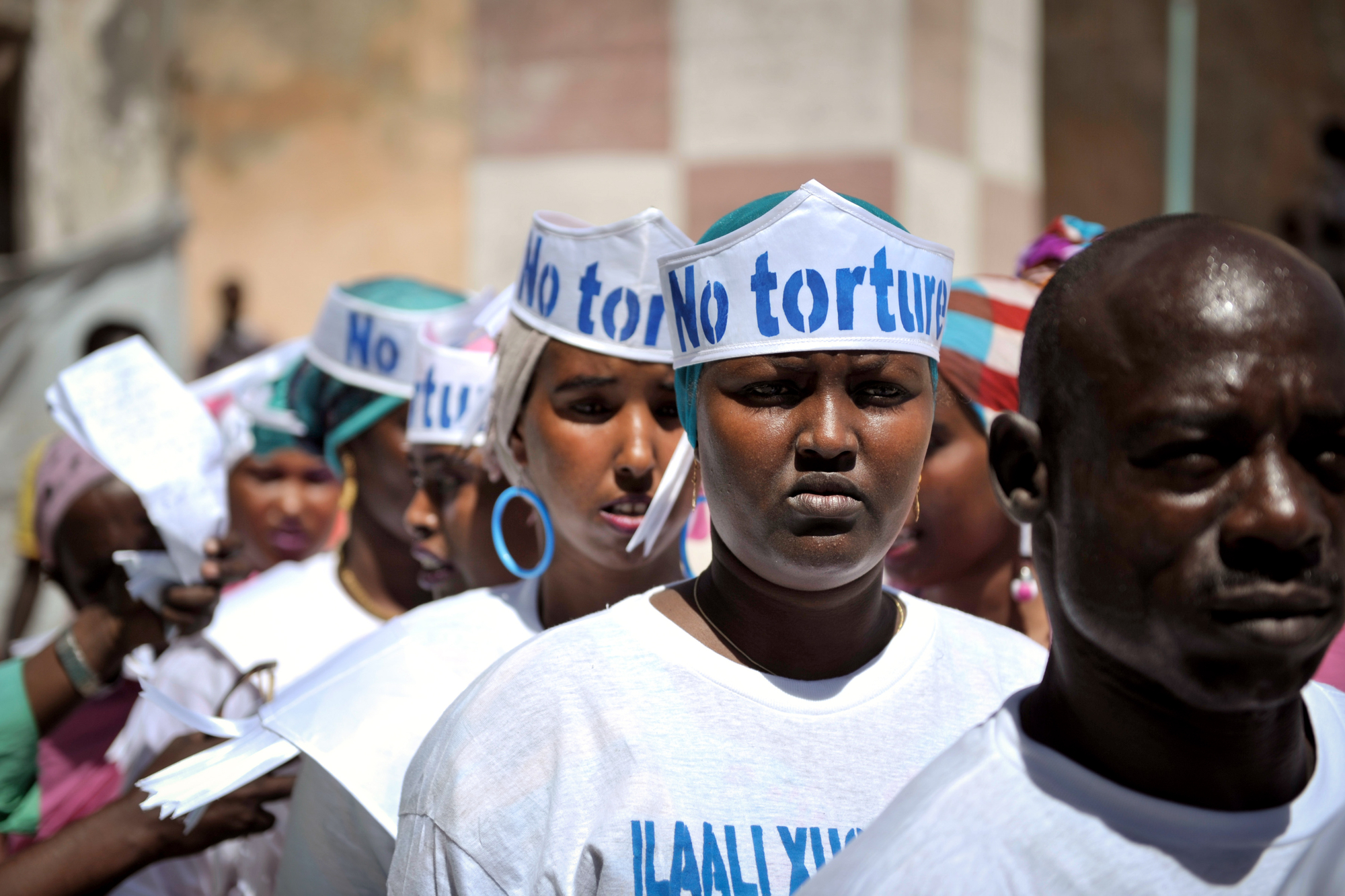
People at anti-torture demonstration

Can we end torture?

Nearly four decades on from the adoption of the UN Convention against Torture, there is evidence that it is still taking place in all regions of the world, even though it’s a recognized international crime. Listen to independent human rights experts Claude Heller and Suzanne Jabour – the chairpersons of the UN Committee against Torture, and the Subcommittee on the Prevention of Torture – as they attempt to convince countries to end the practice.

The United Nations has repeatedly acknowledged the important role played by non-governmental organizations (NGOs) in the fight against torture. In addition to lobbying for the establishment of United Nations instruments and monitoring mechanisms, they have made a valuable contribution to their enforcement. Individual experts, including the Special Rapporteur on torture and the Special Rapporteur on violence against women, and treaty monitoring bodies such as the Committee against Torture rely heavily on information brought to their attention by NGOs and individuals.

Documents

Legal instruments

Related websites

Watch


More videos >>

hand prints

The Fund awards hundreds of grants to civil society organizations worldwide to deliver medical, psychological, legal, social and other assistance. The voluntary contributions that the Fund receives, mostly from member States, thus contribute to the rehabilitation, reparation, empowerment and access to remedies of nearly 50,000 torture survivors each year


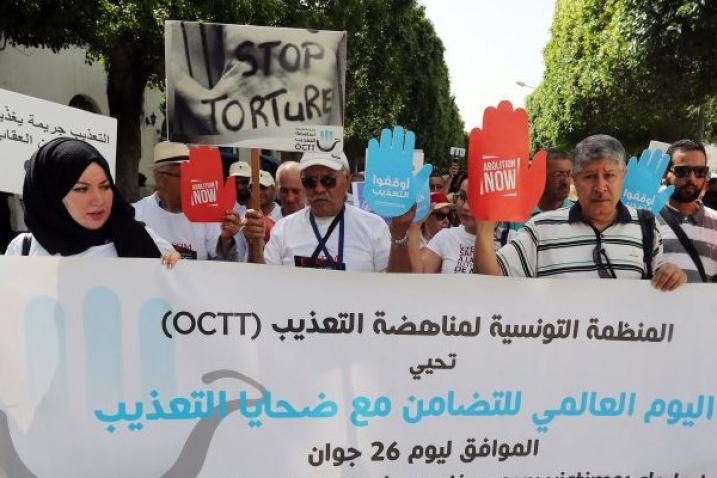
People with placards demonstrating against torture

The world needs leadership and greater political will to combat torture, according to UN Special Rapporteur on Torture, Dr. Alice Jill Edwards. Appointed in 2022, she is seventh person to hold the mandate, and the first woman in nearly four decades.  Read her first report to the General Assembly.

an abstract illustration of people engaged in an event

International days and weeks are occasions to educate the public on issues of concern, to mobilize political will and resources to address global problems, and to celebrate and reinforce achievements of humanity. The existence of international days predates the establishment of the United Nations, but the UN has embraced them as a powerful advocacy tool. We also mark other UN observances.


#PEACEVIGIL #June26 is UN International Day Against Drug Abuse and Illicit Trafficking, WPI News! by Peace Ambassador Zara Jane Juan sailing for peace

By resolution 42/112 of 7 December 1987, the General Assembly decided to observe 26 June as the International Day against Drug Abuse and Illicit Trafficking as an expression of its determination to strengthen action and cooperation to achieve the goal of an international society free of drug abuse.

Supported each year by individuals, communities, and various organizations all over the world, this global observance aims to raise awareness of the major problem that illicit drugs represent to society.

People first: stop stigma and discrimination, strengthen prevention

The world drug problem is a complex issue that affects millions of people worldwide. Many people who use drugs face stigma and discrimination, which can further harm their physical and mental health and prevent them from accessing the help they need. The United Nations Office on Drugs and Crime (UNODC) recognizes the importance of taking a people-centered approach to drug policies, with a focus on human rights, compassion, and evidence-based practices.

The International Day against Drug Abuse and Illicit Trafficking, or World Drug Day, is marked on 26 June every year to strengthen action and cooperation in achieving a world free of drug abuse. The aim of this year’s campaign is to raise awareness about the importance of treating people who use drugs with respect and empathy; providing evidence-based, voluntary services for all; offering alternatives to punishment; prioritizing prevention; and leading with compassion. The campaign also aims to combat stigma and discrimination against people who use drugs by promoting language and attitudes that are respectful and non-judgmental.

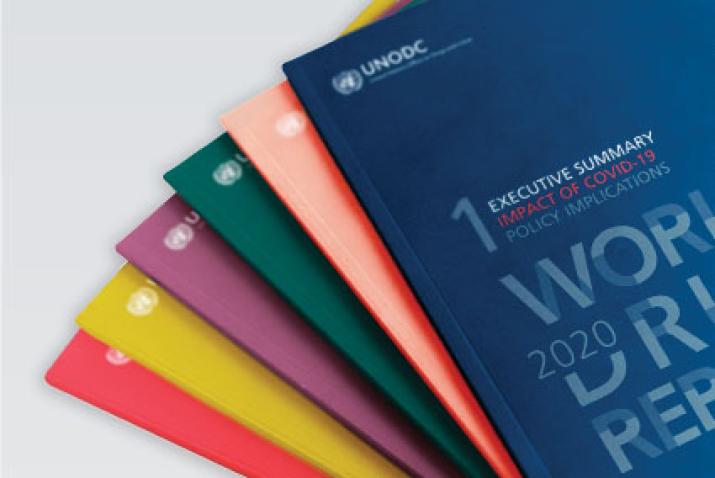
World Drug Report

Every year, UNODC issues the World Drug Report, full of key statistics and factual data obtained through official sources, a science-based approach and research. UNODC continues to provide facts and practical solutions to address the current world drug problem and remains committed to attaining health for all. Health and justice sectors are under pressure and access to services and support is obstructed when we can least afford it.

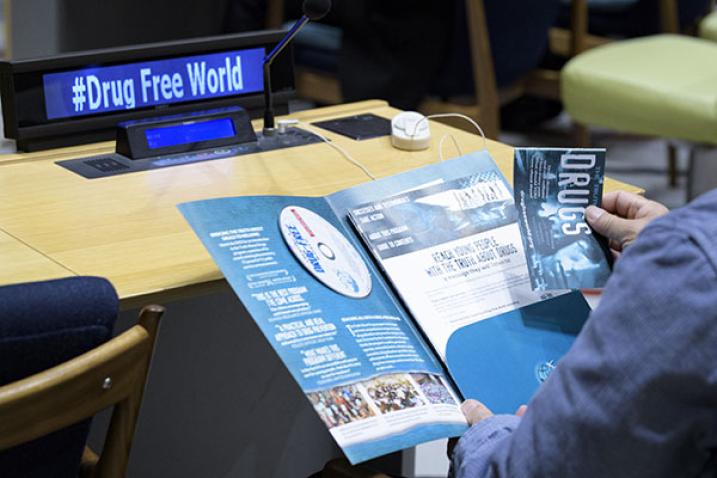
Delegate at UN

For two decades, the United Nations Office on Drugs and Crime (UNODC) has been helping make the world safer from drugs, organized crime, corruption and terrorism. We are committed to achieving health, security and justice for all by tackling these threats and promoting peace and sustainable well-being as deterrents to them.


WDR cover

The World Drug Report provides a global overview of the supply and demand of opiates, cocaine, cannabis, amphetamine-type stimulants and new psychoactive substances (NPS), as well as their impact on health. It highlights, through improved research and more precise data, that the adverse health consequences of drug use are more widespread than previously thought.


an abstract illustration of people engaged in an event

International days and weeks are occasions to educate the public on issues of concern, to mobilize political will and resources to address global problems, and to celebrate and reinforce achievements of humanity. The existence of international days predates the establishment of the United Nations, but the UN has embraced them as a powerful advocacy tool. We also mark other UN observances.